
Genesis Research Group is a biotech consulting partner that goes beyond delivering evidence to steward biotech evidence strategy across development and launch, integrating HEOR, real-world evidence, and market access to demonstrate value and enable patient access.
BIOTECH LAUNCH STRATEGY AND EVIDENCE STEWARDSHIP
Supporting critical biotech launch decisions with evidence, experience, and judgment

The decision biotech leaders cannot defer
Between Phase 2 and launch, teams define the evidence that will be used in regulatory, payer, and HTA decisions.
Key questions include:
- What evidence will actually matter to payers and HTAs, not just regulators?
- Which evidence gaps will surface too late to fix if engagement starts after approval?
- How does the evidence strategy adapt when endpoints or access assumptions change?
Fragmented ownership across vendors and contracts leads to delays, duplicated work, and inconsistent positioning. These issues often emerge when timelines are fixed and options are limited. That fragmentation is what delays access.

Peri-approval evidence stewardship for biotech
Genesis Research Group provides decision-grade evidence stewardship for biotech companies across late development and early commercialization, combining specialist depth with direct access to senior expertise.
Our teams support not only the generation of evidence, but the decisions that shape how it is used. They advise, integrate, and challenge, applying judgment informed by how payers, HTA bodies, and regulators make decisions in practice.
Why biotech teams choose Genesis
Biotech teams choose Genesis when they need more than delivery. They need a partner who can shape biotech evidence strategy, align real-world evidence and HEOR, and support market access decisions as programs evolve. Our approach is grounded in senior-led strategic thinking and experience working with payer, provider, and regulatory stakeholders to ensure evidence generation is focused, credible, and decision-ready.

Flexible Integrated Teams (FIT) designed for biotech
Genesis provides cross-functional expertise through its FIT model, giving biotech teams access to senior evidence, HEOR, RWE, and market access support without the need to build a full internal function.

Integrated evidence and market access strategy
Evidence generation, HEOR, and biotech market access strategy are aligned from the outset to support clinical, regulatory, access, and reimbursement decisions across development and launch.

Proven across complex programs
Experience supporting over 130 programs across biotech and pharma, including evidence generation, HEOR, and reimbursement strategy.

Built around asset-level continuity and adaptability, not projects
Work is structured around the needs of your asset, maintaining continuity across development, biotech market access strategy, and launch. Teams adapt as priorities change, giving you access to the expertise needed to support evidence strategy, payer engagement, and market access decisions without delay.
Clients include


Flexible Integrated Teams for biotech programs
One agreement, one accountable team, and sustained ownership of your evidence program. Biotech programs change as evidence evolves, regulatory feedback is received, and access requirements shift. The Flexible Integrated Team (FIT) model provides a structured way to maintain continuity, adapt to change, and retain ownership of evidence and access decisions across the program.
FIT embeds a cross-functional team within your program, maintaining continuity of leadership while allowing expertise to scale as evidence and access needs evolve. It is a way to retain ownership of evidence and access decisions as programmes change.
130+ FIT engagements have been delivered across biotech and pharma programs.
What FIT removes
Biotech programs often break down at transition points between development, regulatory submission, and access. FIT reduces the structural issues that create delays and rework:
- Multi-vendor fragmentation of evidence, narratives, and strategies
- Loss of institutional knowledge between phases
- Challenges caused by contract renegotiation
- Payer objections surfacing too late to address
What FIT enables
FIT supports consistent decision-making across development and launch.

Continuity
Program knowledge and senior leadership is retained across phases, reducing rework and misalignment.

Agility
Teams adjust as evidence needs evolve without contract renegotiation or procurement delays.

Depth
Access to 200+ specialists across HEOR, real-world evidence, and market access when needed.
When biotech teams engage FIT
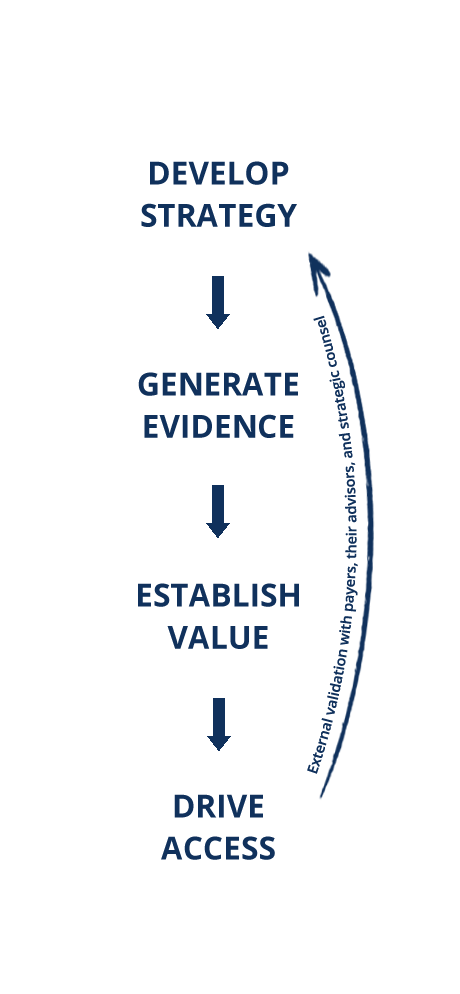
Reduce launch risk, not add vendors. FIT integrates evidence, value, and access expertise at every critical stage of development and launch, so you’re always prepared for what happens next.


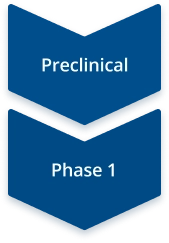
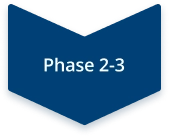
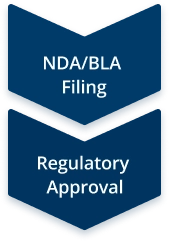

One integrated partner, every step of the way, FIT brings HEOR, RWE, biostatistics, epidemiology, and market access together early and keeps them aligned, so you can move forward with confidence.
What FIT looks like in practice
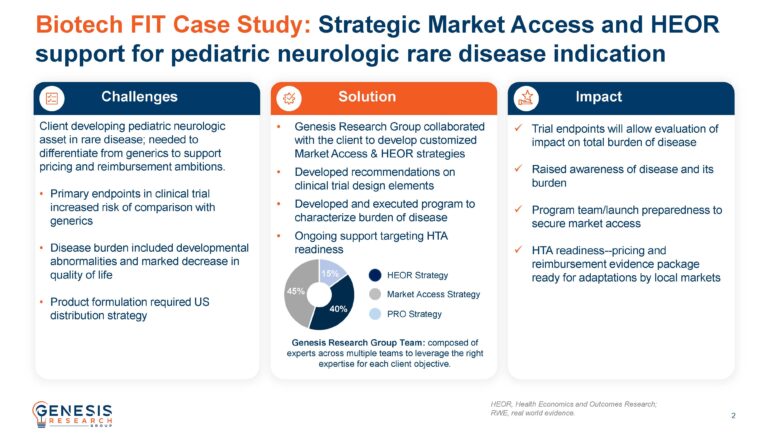
Rare pediatric disease biotech
A biotech company approaching approval needed to align trial design, PRO strategy, epidemiology, biostatistics, RWE, and US access.
A single FIT team was deployed.
The integrated team focused on aligning evidence generation with payer and access requirements before submission.
- Early identification of payer evidence requirements
- Adjustment of the evidence plan before submission
- Alignment of clinical and market access strategy
The program entered submission with an evidence package aligned to payer expectations and ready for HTA scrutiny.
- Evidence package aligned with payer expectations at submission.
- Reduced risk of post-submission rework.
- Clear positioning for launch discussions.
One team, one contract, one accountable partner. For Genesis, evidence stewardship means helping biotech teams decide what evidence to generate, when to generate it, how to defend it, and how it supports future value, access, and launch decisions.
Additional case studies
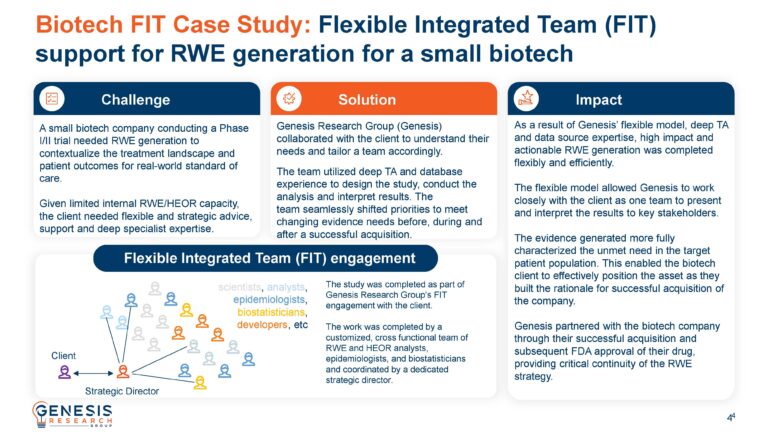
“Genesis gave us continuity across the decisions that mattered most before launch. Instead of managing separate vendors and disconnected workstreams, we had one senior team connecting evidence strategy, access requirements, and execution as priorities changed.”
HEOR Lead, small biotech
Integrated capabilities deployed through FIT
Within a FIT engagement, evidence generation, HEOR, real-world evidence, and biotech market access are coordinated as part of a single programme, rather than managed across separate vendors or workstreams.
These capabilities are brought together to support development, value demonstration, and launch decisions as programmes evolve.

Evidence generation and analytics
Real-world evidence (RWE) for biotech, epidemiology, biostatistics, and evidence synthesis aligned to regulatory, payer, and HTA decision requirements.

Access and HTA strategy
Evidence planning, reimbursement strategy, and payer insight generation aligned to HTA submissions, pricing decisions, and market access requirements.

Scientific and stakeholder communications
Translation of evidence into publications, value messaging, and materials used in regulatory, payer, and stakeholder decision-making.
These capabilities are most effective when coordinated under a single accountable model, so evidence, value, and access decisions remain aligned as programmes evolve.
The Genesis Research Group engagement model offers readiness support from HEOR, RWE, and market access experts who have faced similar challenges and bring the experience and judgment to help guide confident, evidence-based decisions.
Judgment under uncertainty
Evidence requirements vary across markets and evolve over time. Genesis teams apply experience from prior access decisions to help biotech programs:
- Prioritize evidence that supports reimbursement
- Avoid unnecessary or low-impact studies
- Align global and local access requirements
Talk to a biotech strategy lead
Trusted by biotech companies worldwide
- Our 200+ specialists across RWE, HEOR, and Market Access work as an extension of your team, giving you immediate access to the expertise needed to make and defend critical decisions without delay.
- Over 1,000 publications across 25+ therapeutic areas, reflecting the evidence strategies we’ve helped shape, not just analyze.
- Immediate experience across 40+ global real-world data sources to accelerate evidence generation.
Rapid payer and stakeholder insights
Genesis Research Group can engage 3,500+ stakeholders across 65+ countries through the RPR platform to validate assumptions, test payer reactions, and inform evidence and access decisions.
3,500+
Stakeholders
65+
Countries
Start with a biotech launch risk review
A focused working session to identify where evidence, value, or payer-readiness gaps could delay access or weaken launch execution.
Biotech evidence strategy and launch FAQs
These answers address common questions from biotech leaders responsible for evidence generation, HEOR, RWE, and market access strategy.
What evidence do payers require to reimburse biotech drugs?
Payers require evidence beyond clinical efficacy, including comparative effectiveness, long-term outcomes, cost-effectiveness, and real-world evidence. For biotech companies, this means demonstrating how a therapy performs in clinical practice, how it compares to existing treatments, and how it delivers value within constrained healthcare budgets.
When should biotech companies start planning their market access strategy?
Market access strategy should begin during Phase 2. Evidence decisions made at this stage directly affect HTA outcomes, pricing negotiations, and reimbursement timelines.
What challenges do biotech companies face when generating real-world evidence?
Biotech companies often face limited data availability, small patient populations, and uncertainty around which endpoints will matter to payers. Generating real-world evidence that is robust, relevant, and aligned with access and pricing requirements can be difficult without early planning and the right data strategy.
How does HEOR support biotech product launches and reimbursement?
HEOR supports biotech launches by demonstrating cost-effectiveness, budget impact, and overall value. It translates clinical and real-world data into evidence that payers and HTA bodies use to make reimbursement decisions.
How does real-world evidence support biotech product launches and reimbursement?
Real-world evidence shows how a therapy performs in clinical practice beyond controlled trials. It helps validate effectiveness, support value claims, and strengthen payer confidence during reimbursement and access decisions.
How should biotech companies prepare for HTA submission?
Preparation should begin early by aligning clinical, economic, and real-world evidence with HTA requirements. That includes defining relevant comparators, identifying evidence gaps, and ensuring data supports reimbursement and value demonstration at submission.
How can biotech companies reduce reimbursement risk at launch?
Reimbursement risk can be reduced by aligning evidence generation with payer requirements early, validating assumptions with payers and stakeholders, and maintaining a consistent evidence strategy across development and market access planning.


Headquarters:
HOBOKEN
221 River Street, 9th Floor
Hoboken, New Jersey 07030, US

